


阻塞性睡眠呼吸暂停(Obstructive Sleep Apnea; OSA)


阻塞性睡眠呼吸暂停(Obstructive Sleep Apnea; OSA)是一种睡眠障碍,其主要特征是上呼吸道狭窄,根据狭窄的严重程度,会导致打鼾或睡眠呼吸暂停。OSA 患者也常常在白天出现过度嗜睡的现象,尽管感觉睡眠时间已经足够。此外,患者的注意力、记忆力、日常活动能力和工作效率也会有所下降。不仅如此,OSA 还可能增加其他系统疾病的并发症风险或加重其严重程度,例如高血压、心肌梗死、心律失常、心力衰竭以及脑卒中(中风)(1)。

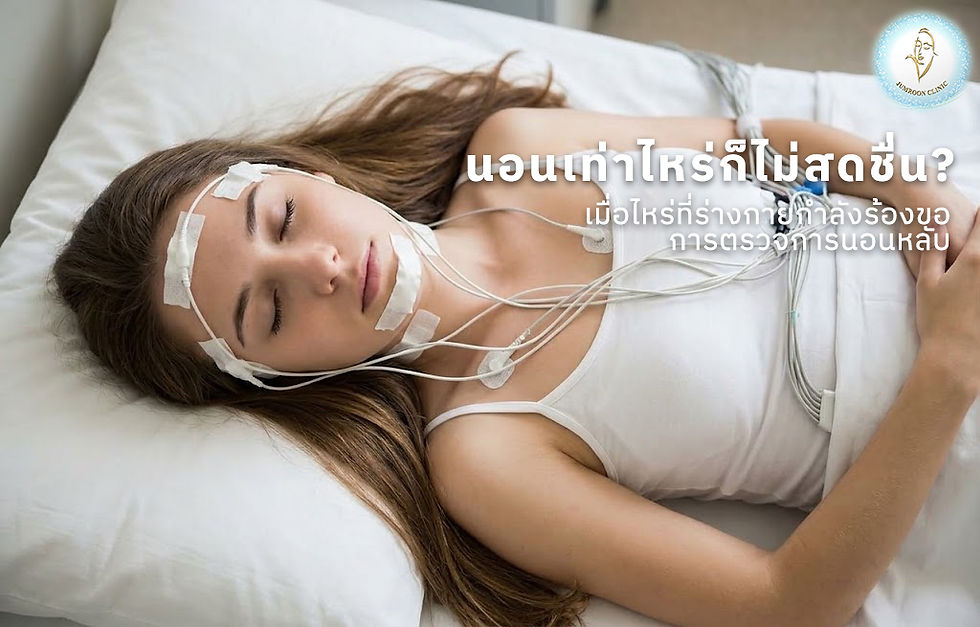
在泰国人群中,OSA 的患病率在男性中高达 60.5%,在女性中为 25.1%(2)。鉴于其高度的严重性和高发病率,OSA 已成为泰国公共卫生和社会领域的重要问题。 OSA 可以通过多导睡眠图(polysomnogram; PSG)进行诊断,这是一种用于识别睡眠异常的检查。诊断标准包括在每小时睡眠中检测到至少 5 次呼吸异常事件,这些事件可以表现为呼吸暂停(apnea)、低通气(hypopnea)或其他呼吸异常(3)。
PSG 的检查结果将被计算为呼吸暂停低通气指数(apnea–hypopnea index; AHI)和呼吸紊乱指数(respiratory disturbance index; RDI),计算方法为每小时睡眠中的平均呼吸异常事件次数(4)。OSA 的严重程度划分为:轻度为每小时 5–15 次,中度为每小时 15–30 次,重度为每小时 30 次及以上(3)。

研究表明,大多数成年 OSA 患者存在多个上呼吸道部位的解剖性狭窄,包括软腭(velum)、口咽(oropharynx)、舌根以及会厌(epiglottis)(5)。其他风险因素包括由过敏、鼻窦炎、鼻炎和/或鼻中隔偏曲引起的鼻腔阻塞(6)。中度至重度 OSA 患者的标准治疗方法是使用持续正压通气(continuous positive airway pressure; CPAP)呼吸机。对于轻度 OSA 患者,建议调整生活方式并考虑进行扩大呼吸道的手术治疗(7-10)。
参考
1. Yeghiazarians Y, Jneid H, Tietjens JR, Redline S, Brown DL, El-Sherif N, et al. Obstructive sleep apnea and cardiovascular disease: a scientific statement from the American Heart Association. Circulation. 2021; 144(3): 56-67.
2. Tawaranurak K, Leelasawatsuk P, Chaiyarukjirakun V. Prevalence, risk factors and clinical manifestation of patients suspected as having obstructive sleep apnea in songklanagarind hospital sleep center. J Health Sci Med Res. 2019; 37(4): 8.
3. Kapur VK, Auckley DH, Chowdhuri S, Kuhlmann DC, Mehra R, Ramar K, et al. Clinical practice guideline for diagnostic testing for adult obstructive sleep apnea: An American Academy of Sleep Medicine clinical practice guideline. J Clin Sleep Med. 2017; 13(3): 479-504.
4. Kushida CA, Littner MR, Morgenthaler T, Alessi CA, Bailey D, Coleman J, Jr., et al. Practice parameters for the indications for polysomnography and related procedures: an update for 2005. Sleep. 2005; 28(4): 499-521.
5. Bacak B, Porterfield L, Karelsky S. Multilevel airway obstruction phenotypes in adult OSA. OTO Open. 2023; 7(2): 21.
6. Young T, Finn L, Kim H. Nasal obstruction as a risk factor for sleep-disordered breathing. The University of Wisconsin Sleep and Respiratory Research Group. J Allergy Clin Immunol. 1997; 99(2): 757-62.
7. Supiyaphan MDP, Sonsuwan MDN, Neruntarat MDC, Mahakit MDP, Keskool MDP, Banhiran MDW, et al. Guideline for development of diagnosis and treatment of snoring and obstructive sleep apnea in thailand for adults 2025. Thai Journal of Otolaryngology Head and Neck Surgery. 2025; 25(2).
8. Qaseem A, Holty JE, Owens DK, Dallas P, Starkey M, Shekelle P. Management of obstructive sleep apnea in adults: A clinical practice guideline from the American College of Physicians. Ann Intern Med. 2013; 159(7): 471-83.
9. Rajesh S, Wonderling D, Simonds AK. Obstructive sleep apnoea/hypopnoea syndrome and obesity hyperventilation syndrome in over 16s: summary of NICE guidance. Bmj. 2021; 375: 2360.
10. Nirantranat C MP, Banhiran W,. Guideline for development of diagnosis and treatment of snoring and obstructive sleep apnea in thailand for adults 2017. The Sleep Apnea Society of Thailand. 2017: 1-40.
编译者 副教授。 Jumroon Tungkeeratichai 教授、Dr. Nawach Angkara
留言